Sensory & motor
Sensory integration, motor planning, coordination. Occupational therapy in a sensory gym built for the work.
The Southeast’s first pediatric, multidisciplinary day treatment program for neurodivergent children
Everything your child needs, under one roof. Autism, developmental delays, anxiety, mood, and co-occurring conditions. Evidence-based. With one coordinated team and one care plan.






Your child's care is delivered by a multidisciplinary team: occupational therapy, speech therapy, family therapy, education, case management, and psychiatry. They work in the same building, see each other in the hallway, and communicate daily about your child's progress. Formal team meetings keep everyone aligned on one unified picture and one plan.
Instead of coordinating your child's care, you get to be their parents.
Most of the children in our program have more than one reason they were referred. We treat the whole child, not one diagnosis at a time.
Sensory integration, motor planning, coordination. Occupational therapy in a sensory gym built for the work.
Attention, executive function, and the behavioral patterns that come with them.
Speech, motor, cognitive. The foundational skills everything else is built on.
Communication, flexible thinking, regulation. Therapy, OT, and speech working from one plan.
Childhood anxiety, OCD, depression. Diagnoses that show up younger than people expect.
Acute, developmental, complex trauma. The meltdowns, the shutdowns, and the recovery afterwards.
Most pediatric programs are built around a single diagnosis. Ours is built for the reality that children rarely come in with just one. Our team holds the whole presentation, and the plan reflects it.


Our clinical model is anchored by Licensed Psychologists, Doctoral-Level staff and Board-Certified Child and Adolescent Psychiatrists who work only with children. The team also includes certified and licensed speech-language pathologists and occupational therapists, with a licensed teacher on site each day.
We treat the child in front of us, the family around them, and the home they go back to at the end of the day.
We draw on CBT, DBT-informed skills, Floortime, family systems therapy, motivational interviewing, social skills training, and expressive arts. One team, one plan, one roof.
The environment regulates before we ask the child to. Low-stim rooms mean soft, indirect circadian lighting instead of overhead fluorescents, low-contrast wall colors, minimal wall decor, and no competing background noise. Gentle transitions, predictable structure.
Parent training and family therapy are built into the program, not bolted on. You leave with skills, not just notes.
Delivered on-site by clinicians who sit in the same weekly team meeting about your child. One team, one plan, and one shared picture of how your child is doing.
The clinical core: CBT, DBT-informed skills, Floortime and family systems, in the mix each child needs.
Sensory integration, motor planning, daily-living skills.
Expressive and receptive language, articulation, social communication.
On-site medication management with the psychiatric team.
Family nutrition and growth support, coordinated with OT and behavior.
Creative, expression-based sessions: a way in when words are hard to find.
A single point of contact for schools, prior auths, outside providers.
Academic continuity so progress here travels back to the classroom.
Two intensities of programming, matched to what your child needs right now. Your child can step down (or up) without changing programs, buildings, or care plans.
For children needing intensive, structured daily programming.
A full-day program for children whose needs aren't safely met by weekly outpatient care. Therapeutic, educational, and developmental work woven into a predictable day with a small, consistent team.
For children stepping down from Day Treatment, or whose needs are lower-acuity.
Afternoons after school, so your child stays in school. Often used as a step-down from Day Treatment, or as the right starting point for children whose needs don't require a full-day program.
Every design choice in the building reduces sensory overwhelm and supports regulation. Soft acoustics, low-glare lighting, dedicated low-stim rooms, and an outdoor nature space the children help tend.


Our directors set the standard of care, and sit in the team meetings about your child.
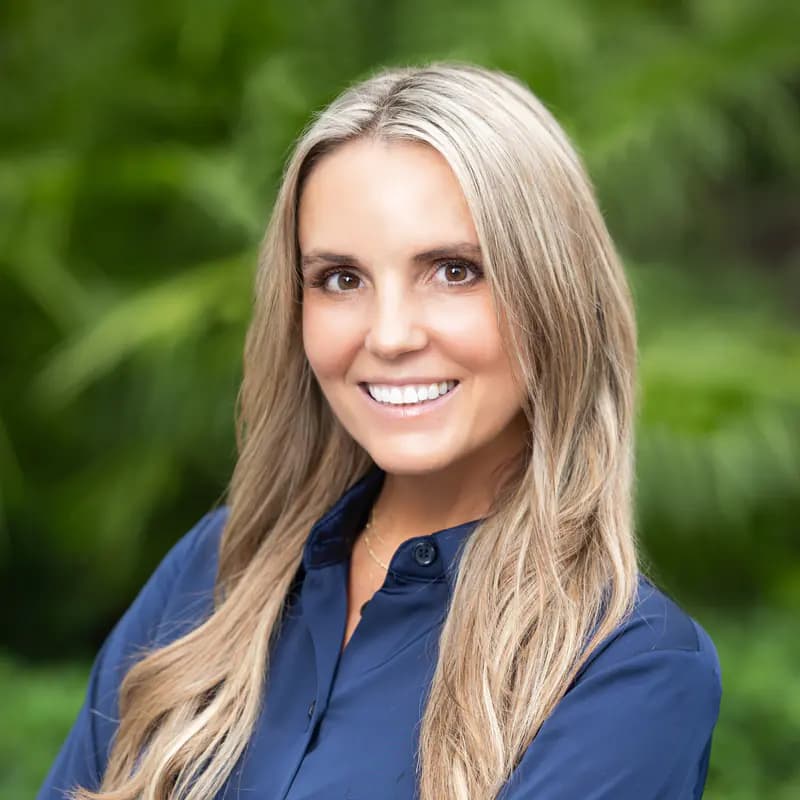
Co-founder of NorthStar Day. Leads the program's clinical vision, treatment planning, and quality of care.
Full bio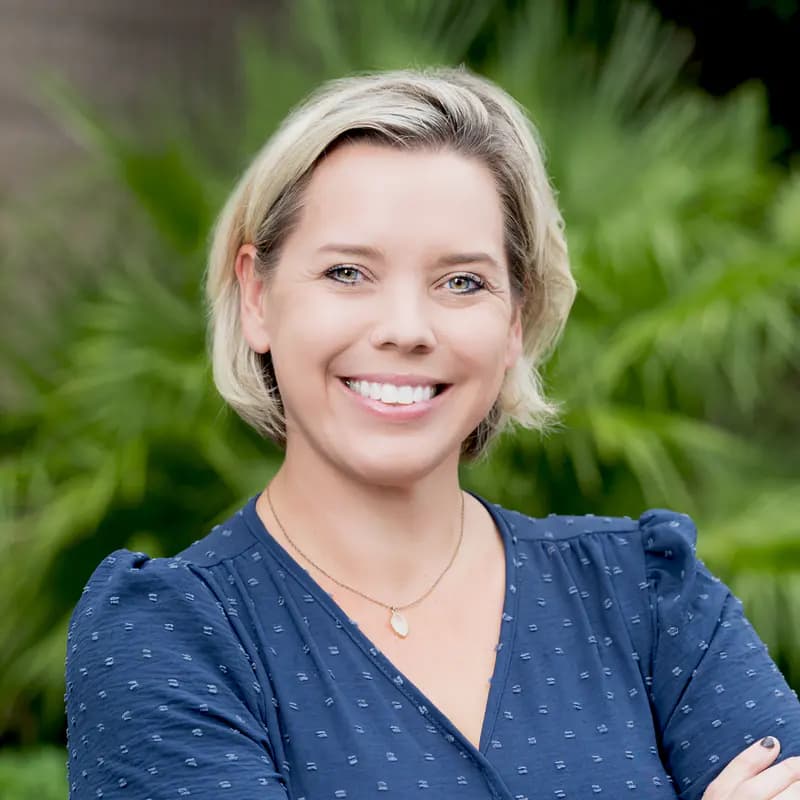
Communication, regulation, social skills, attention, play. The capacities everything else is built on.
Transitions handled, classroom demands met, family routines that hold together, community outings that work.
Parents leave with skills, confidence, and routines that work at home.
Children transition to less-intensive care, school, or mainstream settings when the team and family agree they're ready.
We work with most major insurance plans. Call us and we'll verify your benefits the same day.
Private pay is also accepted. Our admissions specialists handle prior authorization and can talk you through coverage before your first visit.
Our admissions specialists can walk you through clinical fit, levels of care, and next steps, usually the same day. We work with pediatricians, developmental pediatricians, psychologists, and school clinicians.
You don't need a diagnosis to call us. Tell us what's going on. We'll listen first, then walk you through what comes next.